
3 Ways to Reduce Insulation Job Cost (Without Losing Quality)

Three practical ways insulation contractors can cut job costs by choosing the right spray foam products, reducing rework, and improving labor efficiency.
Insulation contractors are under constant pressure to deliver high-performing installs while keeping labor and material costs under control. Between rising labor costs, a shrinking workforce, increasing material prices, and stricter inspections, even small inefficiencies can erode job margins.
A surprising number of cost overruns can come from small, everyday decisions on the job site. Product selection, application technique, and installer habits all play a role in how efficiently a job runs, if a callback is needed, and whether it passes inspection the first time.
By focusing on smarter processes, using insulation systems that match the scope of work (and using those products correctly), contractors can reduce waste, minimize rework, and improve profitability while maintaining the highest quality. The following strategies outline practical ways to control costs while maintaining professional-grade results on every insulation job.
Where Insulation Installers Carry Costs
Before looking at ways to reduce costs, it’s important to understand where insulation jobs get expensive in the first place. Most costs fall into three primary areas—each of which is directly impacted by product choice, training, and installation technique.
Labor: The Largest Cost Driver
Labor is almost always the biggest expense on an insulation job. Crew size, application speed, and the number of return visits all affect the final cost. Installations that require rework, need touchups, or fail the inspection can quickly increase labor hours and eat into margins.
Every extra pass, correction, or callback means:
- More labor hours (usually with no additional revenue)
- Additional scheduling complexity
- Reduced crew availability for new jobs
Improving efficiency and reducing mistakes on the first visit is one of the fastest ways to control labor costs.
Materials and Supplies
Beyond insulation itself, contractors must account for:
- Spray foam products
- Applicator guns and accessories
- PPE and jobsite consumables
- Waste from unused or improperly applied material
Using the wrong product for an application or having to throw out extra material that can’t be re-used drives up costs quickly. Oversized systems, partial kits that can’t be reused, and foam that cures improperly all contribute to unnecessary material spend.
Rework and Failed Inspections
Rework is where costs compound. If insulation fails to cure correctly, doesn’t pass inspection, or has to be re-installed due to product misuse, contractors often pay twice—once for the original install and again for the fix. Customers usually don’t pay directly for rework, so contractors eat the extra costs.
Common causes of rework:
- Incorrect product selection
- Improper foam preparation or application
- Environmental conditions not accounted for during install
Avoiding rework doesn’t just save material—it also saves labor, scheduling time, and reputation with builders and inspectors.
3 Tips to Reduce Insulation Job Costs
Once installers are aware of the causes of additional costs, they can focus on doing work the right way the first time with these tips.
1. Use the Right Insulation Products
A common hidden cost on insulation jobs comes from oversized systems used on undersized projects.
Two-component (2K) spray foam kits are effective for large, continuous applications, but they are inefficient and expensive for smaller jobs. Leftover material often can’t be reused, hoses clog between uses, and partially used kits are frequently discarded.
A Smarter Option for Small to Mid-Size Jobs
For projects under a few hundred board feet, many contractors choose TYTAN Professional® Thermospray—a single-component polyurethane thermal and acoustic spray foam designed for efficiency and flexibility.
Thermospray offers:
- Lower cost per board foot on small jobs
- No tanks, hoses, or complex setup
- Minimal waste between jobs
- Easy transport from site to site
Learn more about the benefits of Thermospray canned spray foam insulation.
By replacing or supplementing 2K systems with canned insulation foam where appropriate, contractors can reduce material waste while maintaining professional-grade results.
2. Reduce Rework by Using the Product Correctly
Rework is one of the fastest ways to erode job profitability. Failed inspections, improperly cured foam, or damaged substrates all require crews to return to the site.
You can choose the right product, have the right team, and go in with the best intentions, but if you overlook the little best practices, rework can pile up fast. Two of the most common—and preventable—mistakes we see are related to the application process. Here are our tips for using Tytan Professional and other spray foam insulation products correctly.
Shake the can to mix components properly.
Single-component spray foams rely on properly mixed internal components to cure and perform correctly. If a can isn’t shaken for 30-45 seconds before use, or re-shaken after few minutes breaks, the foam can cure unevenly (or not at all). This leads to voids, soft spots, and failed performance that often requires removal and replacement.
Account for Humidity and Moisture
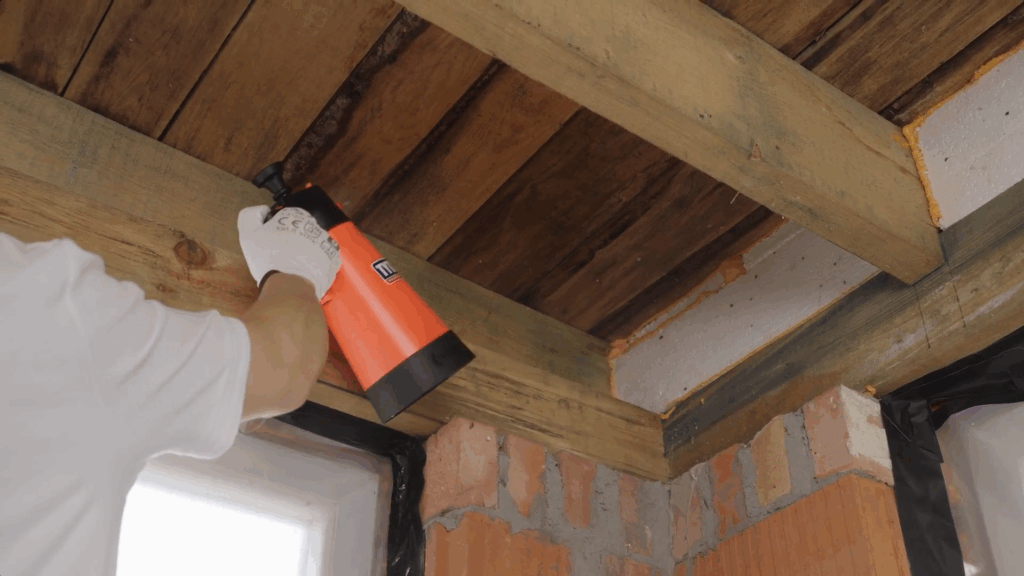
Polyurethane spray foam cures by reacting with moisture in the air. In dry climates, enclosed interiors, or conditioned spaces, lack of humidity can cause internal voids and incomplete curing. A light mist of water before and after application helps ensure consistent expansion and curing. This is especially important when conditions get dry in the winter. Learn more about best practices for spray foam application in the winter.
3. Improve Labor Efficiency with Proper Application Technique
Since labor is typically the largest cost on insulation jobs, improving application allows crews to work faster, cleaner, and with less waste. In addition to the prep tasks discussed previously, installers should learn how to properly perform bottom-up application technique.
Stack the Foam—Don’t Let It Fall
When insulating large gaps or wall penetrations, spraying from the top down can cause foam to slump or fall into voids. The recommended approach is to build foam from the bottom up, stacking beads in a controlled zig-zag pattern. This gives the foam a base to rest on, improves adhesion, and reduces over-application.
Better technique means:
- Less wasted foam
- Cleaner installs
- Fewer inspection issues
Fewer Mistakes, Less Waste, Better Margins
Reducing costs on insulation jobs doesn’t require cutting corners—it requires choosing the right products and training insulation installers on proper processes. Proper product prep, correct application technique, and smarter product selection all work together to keep costs in line so contractors can protect margins while delivering consistent, inspection-ready results.
For contractors looking to improve efficiency on small and mid-size insulation jobs, Tytan Professional products offer a practical way to get professional performance without overpaying.
For a job well done, choose Tytan Professional.
